Restorative & Implant Dentistry
Dental Crowns in Farmington, UT
A cracked, worn, or heavily filled tooth does not have to mean a trip to a specialist or weeks of waiting. Dental crowns in Farmington, UT from Oakridge Dental can protect and rebuild a damaged tooth, often in a single visit, using our CEREC same-day crown technology. We accept most major dental insurance plans, and our Monday and Wednesday hours run until 7 PM, which makes it easier to fit a crown appointment around work and family schedules. Whatever brought you in, a fractured tooth, a failing old filling, or a tooth that needs protection after a root canal, our team will explain your options in plain language before any work begins.
Benefits
Benefits of Dental Crowns
A dental crown is a custom cap that fits over a damaged tooth to restore its shape, strength, and function. Patients choose crowns for several reasons:


01
Protection for teeth weakened by large cavities, cracks, or old fillings

02
Restored chewing so you can eat comfortably again

03
A natural look, with materials shaded to match your teeth
04
A precise, custom fit from digital scanning of your bite
Crowns are one part of the restorative and implant dentistry we offer, alongside options like dental implants for teeth that can't be saved.
Candidacy
Is a Dental Crown Right for You?
Not every damaged tooth needs a crown, but many do. You may be a candidate if you have:
- A tooth that is cracked, chipped, or fractured (see our cracked teeth treatment page for more on how we assess fractures)
- A large filling that has weakened the remaining tooth structure
- A tooth that just had root canal therapy and needs a protective cover
- Noticeable wear from grinding or clenching
- A tooth that is misshapen or discolored and affecting your bite or smile
During your exam, one of our dentists will look at the tooth, review any x-rays, and let you know honestly whether a crown, a filling, or another treatment makes the most sense.
The Procedure
What to Expect During Your Crown Procedure
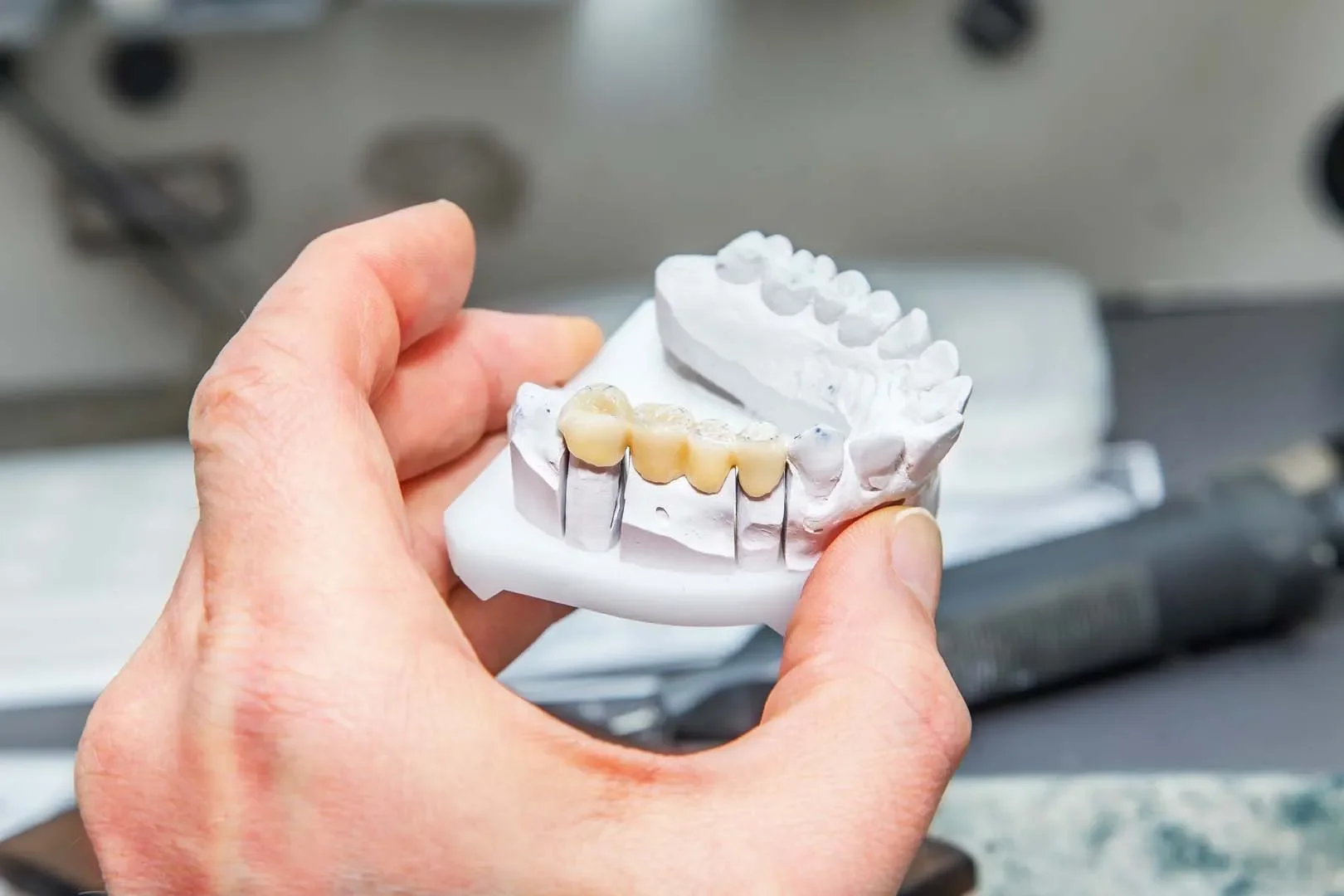
Getting a crown starts with an exam and a discussion of your options. Once we confirm a crown is the right fit, we numb the area, gently reshape the tooth to make room for the crown, and take a digital scan or impression. From there, timing depends on which type of crown you choose.
Compare
Same-Day CEREC Crowns vs. Traditional Crowns
Both options result in a durable, custom-fitted crown. The main difference is how the crown is made and how many visits it takes to get there.
Same-day CEREC crowns: one visit, finished same day, no temporary crown, designed and milled in-office — a good fit for most single-tooth restorations.
Traditional crowns: two visits, one to two weeks between visits, temporary crown worn while the permanent crown is made off-site — recommended for certain complex cases.
For most patients, the same-day CEREC option means fewer appointments and no temporary crown to worry about. Your dentist will let you know which route makes sense for your specific tooth.
Don't Wait
What Happens If You Delay Treatment
Putting off a crown when one is needed can let a small problem grow into a bigger one. A cracked or weakened tooth can worsen over time, sometimes to the point where the nerve becomes involved and root canal therapy is needed, or the tooth becomes too damaged to save at all. Treating it earlier is usually simpler, more comfortable, and easier on your budget than waiting until the tooth breaks further or becomes infected.
Call to Book a ConsultDental Crowns FAQ
How long do dental crowns last?
Most dental crowns last 10 to 15 years, and many last longer with good brushing, flossing, and regular checkups. How long yours lasts depends on the material used, your bite, and how well you care for it at home.
Does insurance cover dental crowns?
Many dental insurance plans cover part of the cost of a crown when it's needed to restore a damaged tooth. We accept most major PPO plans, and our team can help you understand your specific coverage and payment options through our insurance and financing page before treatment starts.
Are dental crowns painful?
No. We numb the area with local anesthesia before preparing your tooth, so the procedure itself should not hurt. Some mild soreness or sensitivity for a day or two afterward is normal and can usually be managed with over-the-counter pain relief.
Related Solutions
Explore Related Restorative Solutions


Saving the World One Smile at a Time!
Protect Your Tooth Before the Problem Grows
Waiting on a damaged tooth rarely makes things easier.
1838 N 1075 W Ste 200, Farmington, Utah 84025 • (385) 600-6715