Restorative & Implant Dentistry
Bone Grafting for Dental Implants in Farmington, UT
If you've been told you need more jawbone before you can get a dental implant, you're not alone. Many patients who lost a tooth years ago, or who have dealt with gum disease, no longer have enough bone to support a new implant root. As a bone grafting dentist in Farmington, UT, Oakridge Dental helps patients rebuild that foundation so implants have the support they need to last. We accept a wide range of dental insurance plans, welcome new patients, and offer evening appointments on Monday and Wednesday to fit around busy schedules. Bone grafting can sound like a big step, but it's a routine, well-understood procedure that sets the stage for implant success.
Benefits
Benefits of Bone Grafting Before Implant Placement
Bone grafting isn't just an extra step that slows things down. It can make a real difference in how your treatment turns out:
01
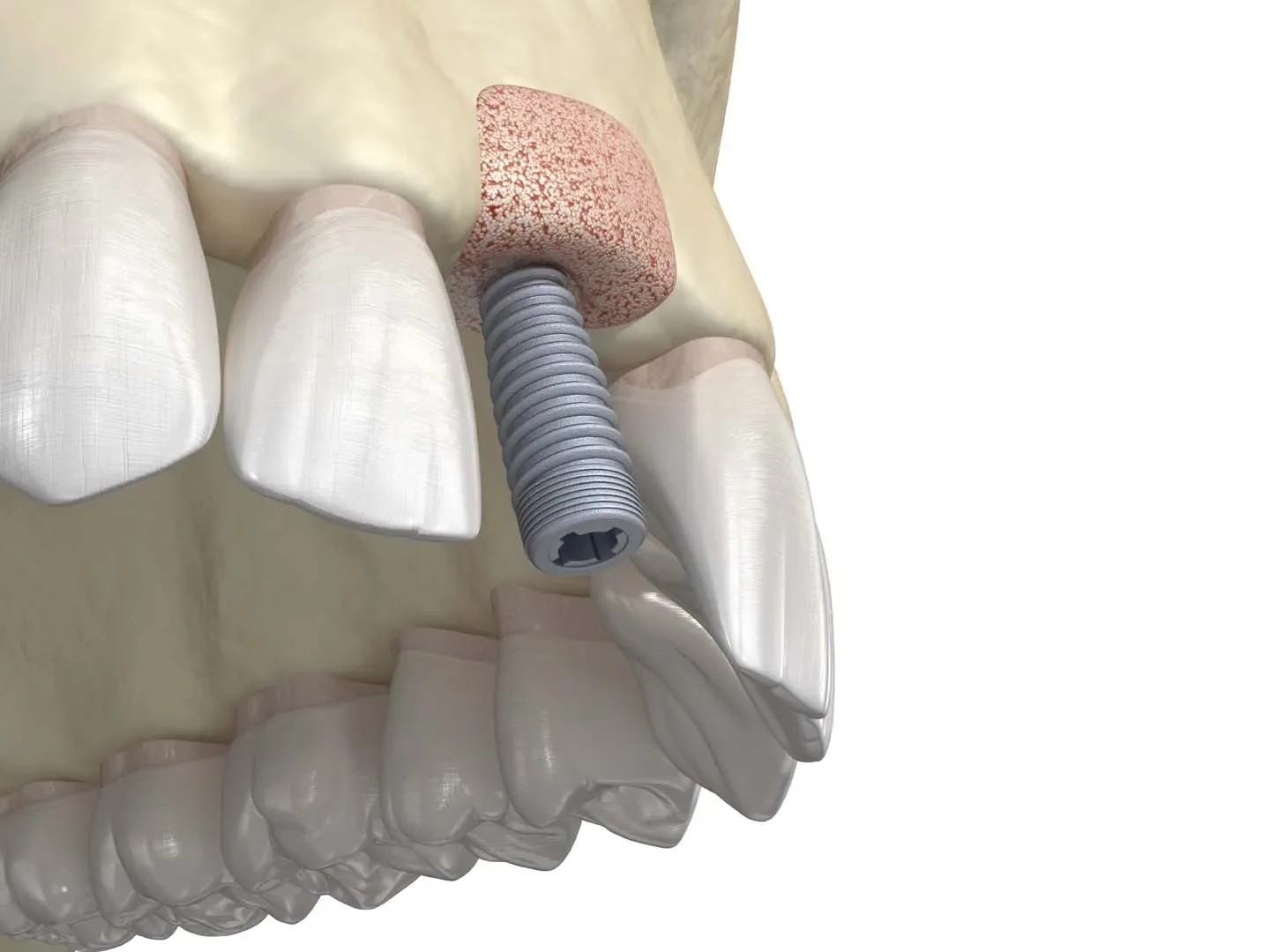
A more stable base for your implant, which helps it hold up over the years
02
A more natural jaw shape, especially where bone loss changed your smile line
03
Fewer complications during implant surgery with solid bone to anchor into
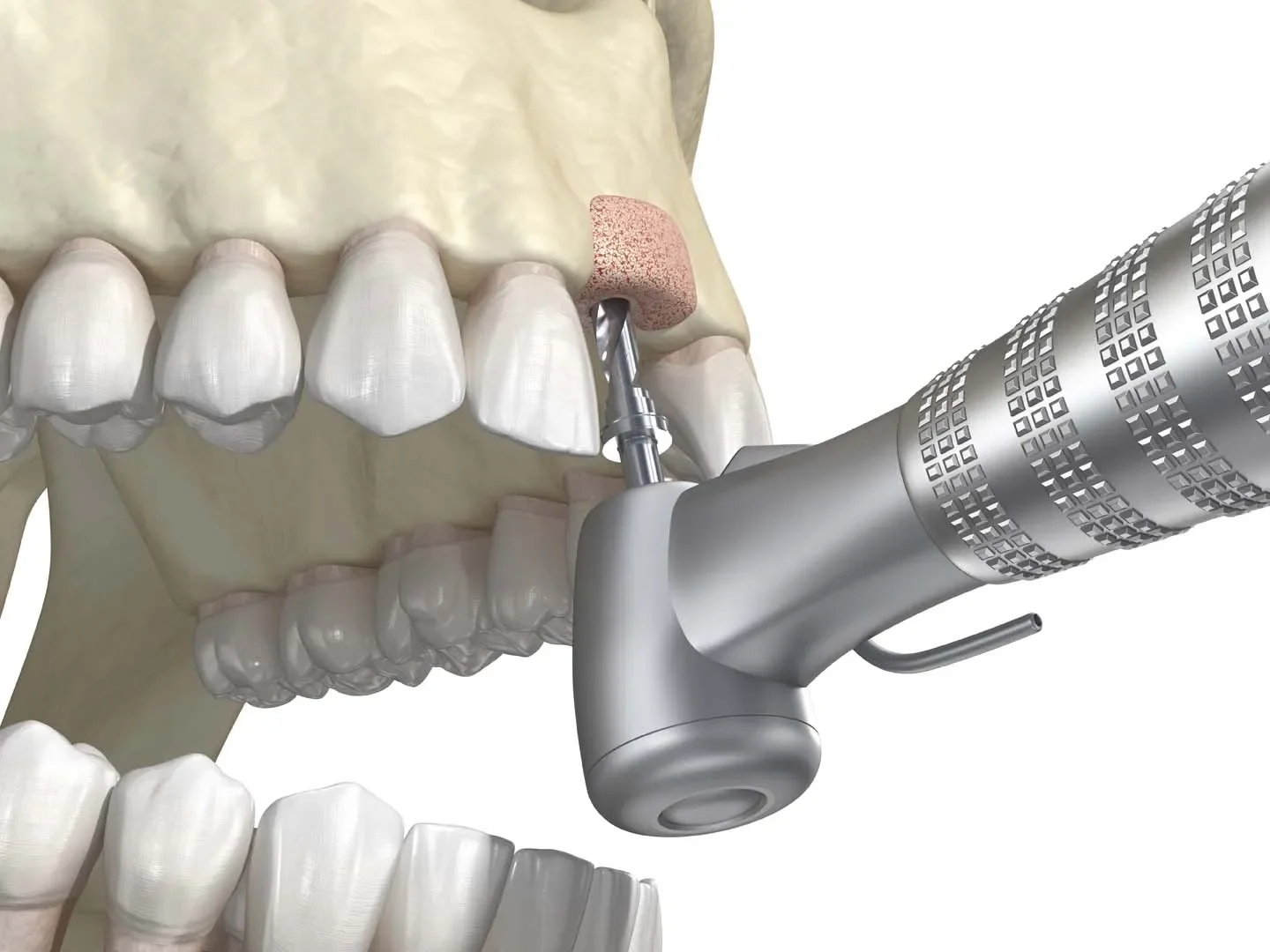
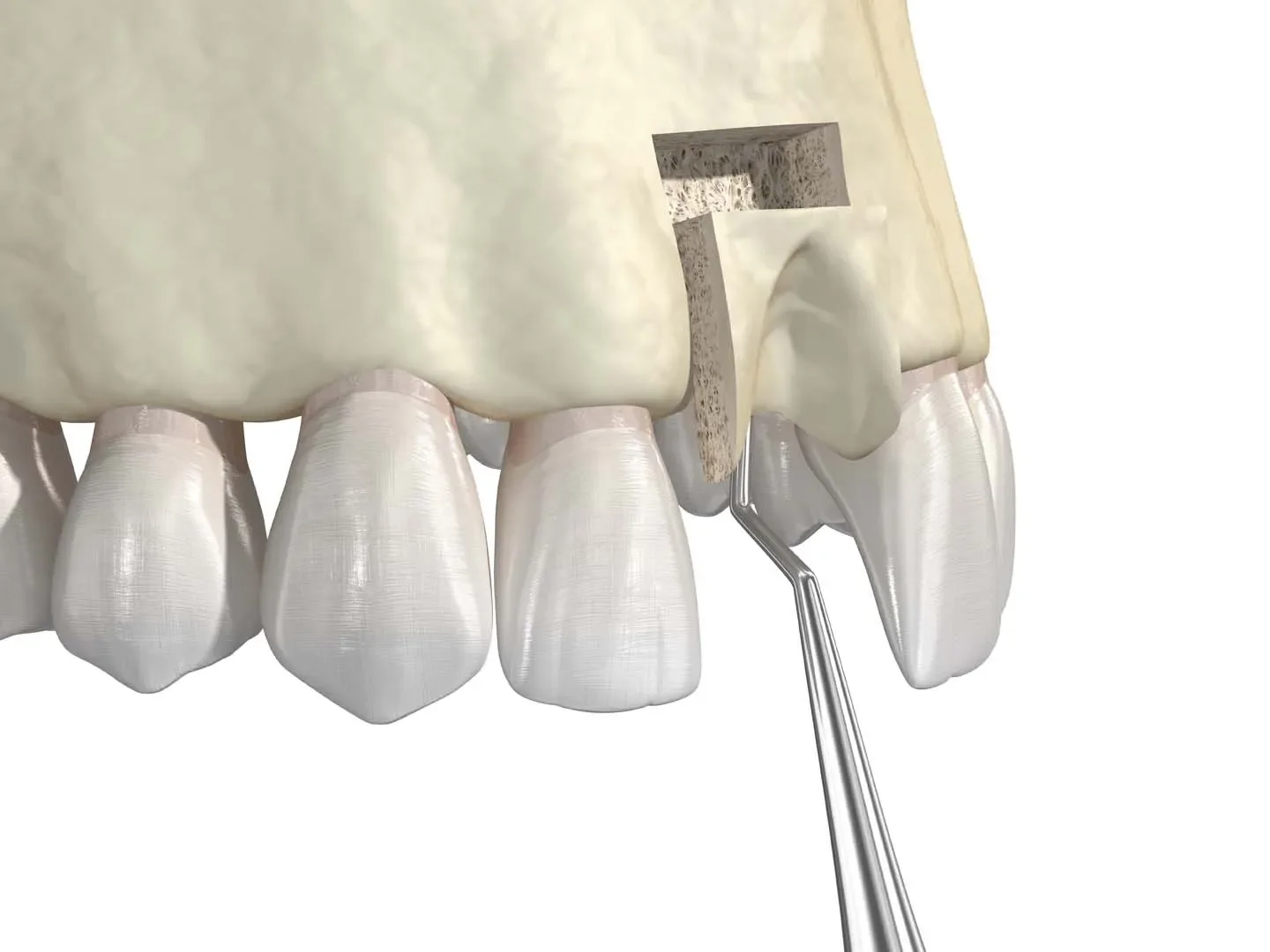
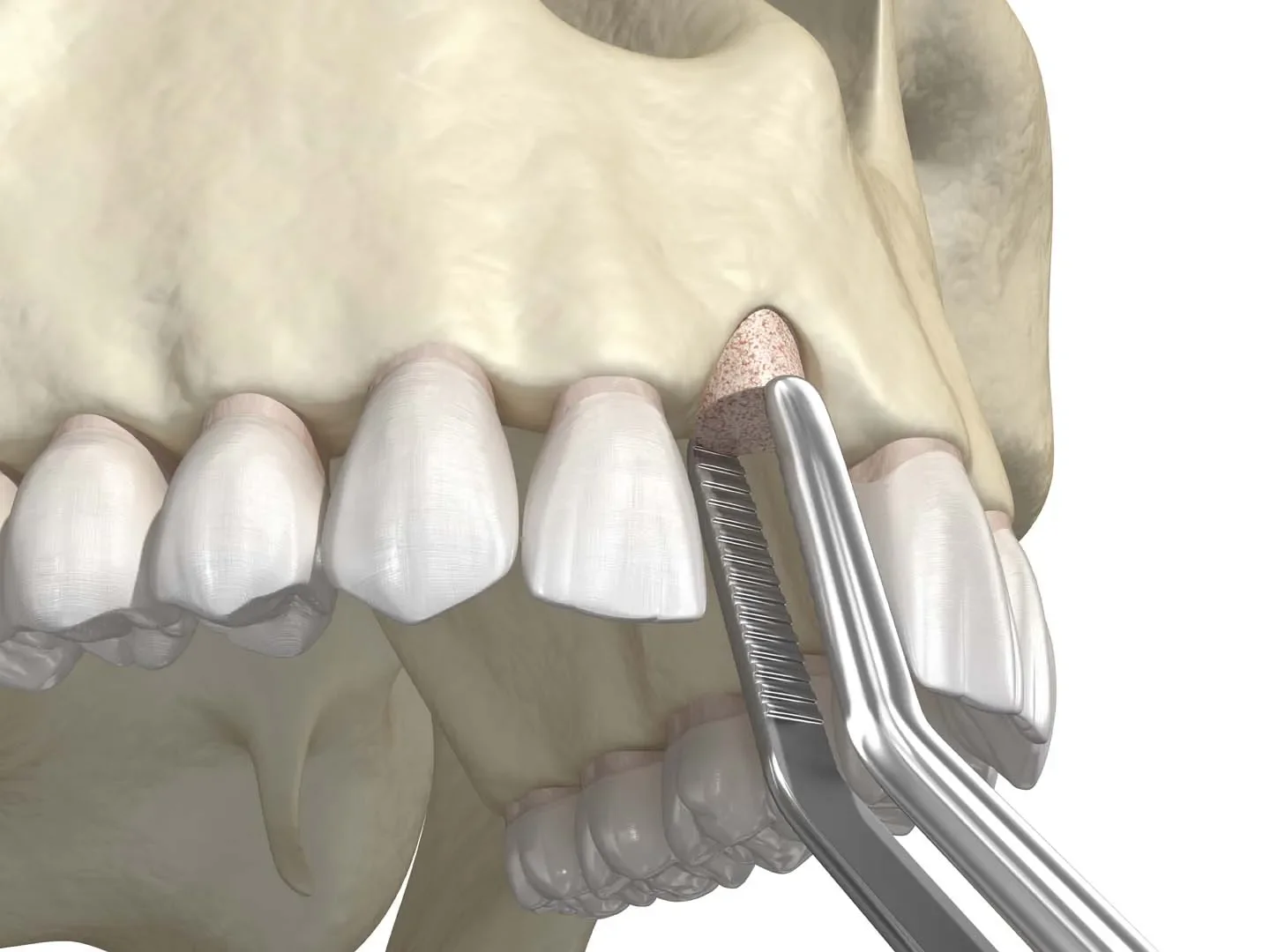
When you lose a tooth, the jawbone underneath it can start to shrink over time. Bone grafting adds material to that area, giving your jaw a stronger, thicker base. A dental implant needs solid bone around it to fuse in place and stay stable for years. Think of grafting as building a solid foundation before construction starts.
Treatment
What Is Bone Grafting and Why It Matters for Implant Success
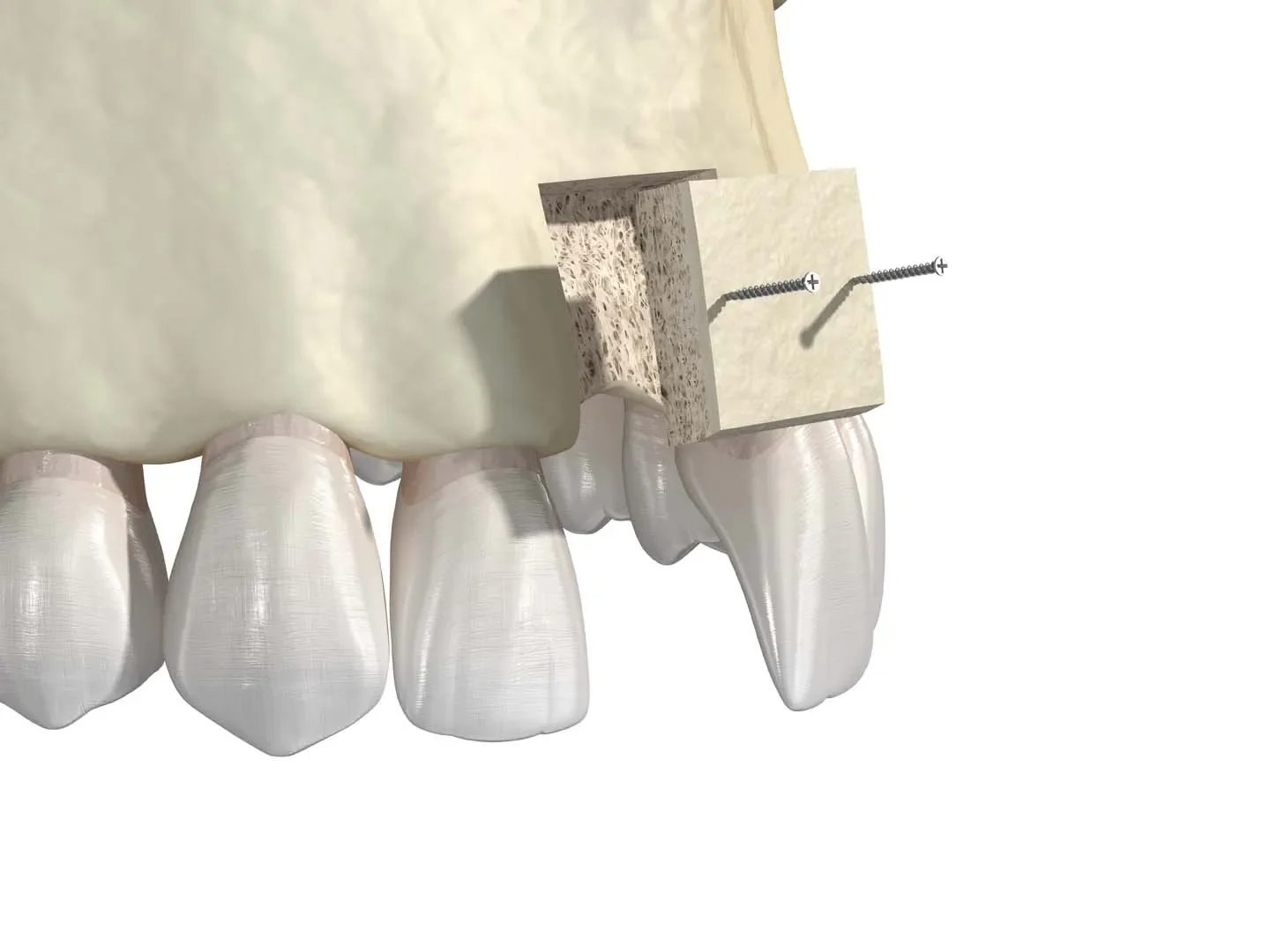
When you lose a tooth, the jawbone underneath it can start to shrink over time. Without a tooth root there to stimulate it, the bone naturally thins out, and sometimes there isn't enough width or height left to anchor a dental implant securely. Bone grafting adds material to that area, giving your jaw a stronger, thicker base to work with. This matters because a dental implant needs solid bone around it to fuse in place and stay stable for years. Bone grafting is one part of our broader restorative and implant dentistry care, designed to help you rebuild a stable, confident smile.
Types of Bone Grafts We Offer
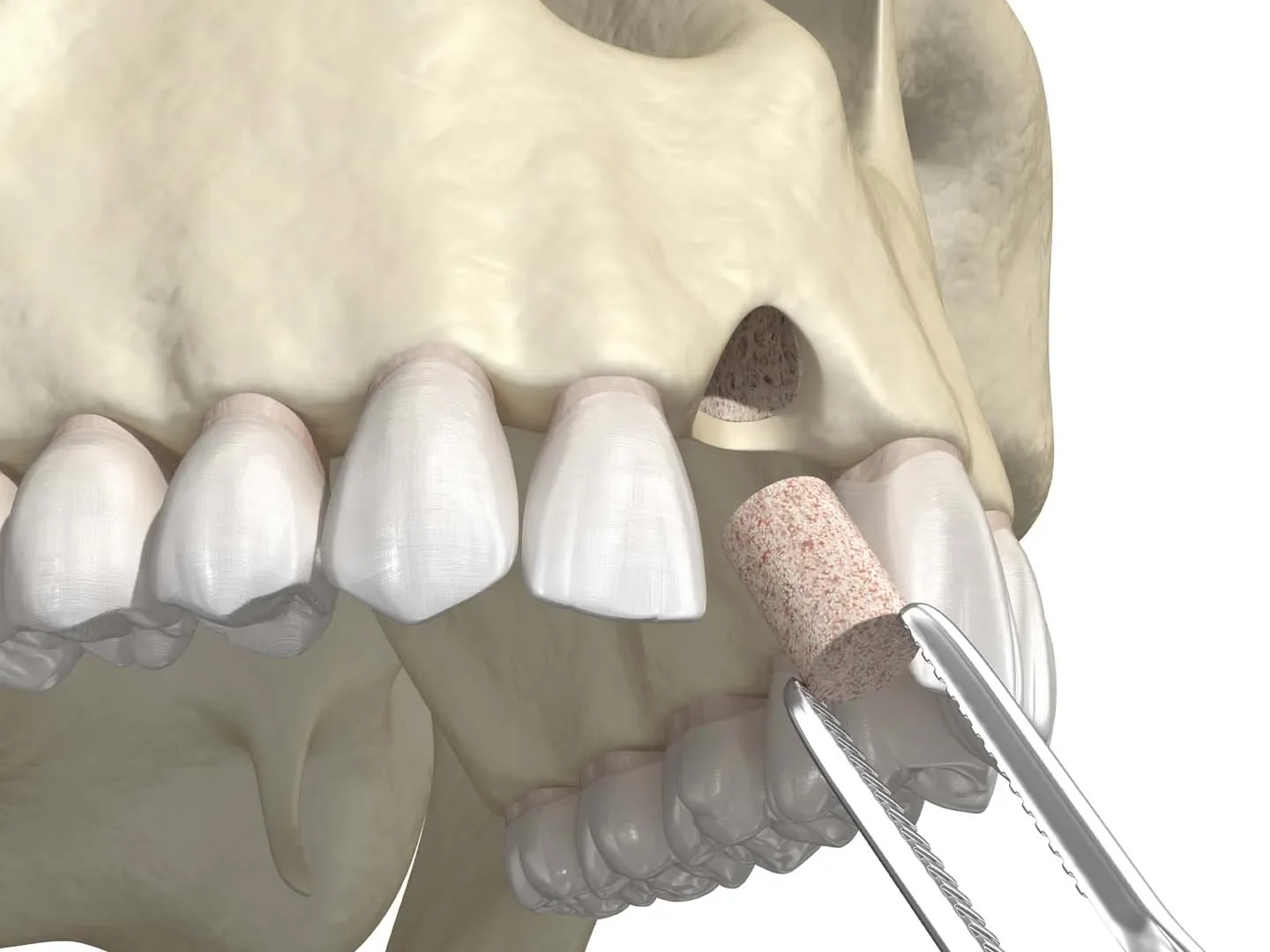
Depending on how much bone you need and where, a graft may use:
- Your own bone (autograft): taken from another site in your mouth or body for a close match to your natural bone
- Donor bone (allograft): processed bone from a tissue bank that acts as a scaffold for your body to grow new bone around
- Synthetic or specially processed material (xenograft or alloplast): lab-made or animal-derived material that also encourages new bone growth
We'll talk through which option fits your situation, your health history, and your comfort level.
Recovery and Healing Timeline
Most patients feel some soreness and mild swelling for a few days after grafting, similar to what you'd expect after a tooth extraction. Over-the-counter pain relief is usually enough to stay comfortable. The graft itself typically needs three to six months to fully bond with your existing bone before it's ready to support an implant, though healing time can vary based on the size of the graft and your overall health.
What Happens If You Skip Bone Grafting
Placing an implant into bone that's too thin or too short can lead to a loose implant, exposed metal at the gumline, or implant failure down the road. Skipping a graft you actually need doesn't save time in the long run, since a failed implant often has to be removed and the site treated before trying again. Addressing bone loss up front gives your implant the best chance to last.
Frequently Asked Questions About Bone Grafting
Does bone grafting hurt?
Most patients feel little to no pain during the procedure itself, since the area is fully numbed beforehand. Afterward, mild soreness and swelling are common for a few days, much like recovering from a tooth extraction. Over-the-counter pain medication is usually enough to manage any discomfort.
How long before I can get my implant after grafting?
Most bone grafts need three to six months to fully integrate with your jawbone before an implant can be placed. In some cases with smaller grafts, your dentist may be able to place the implant sooner. We'll let you know your expected timeline based on your scan and how your healing is progressing.
Will my insurance cover bone grafting?
Coverage for bone grafting varies by plan and by whether it's considered medically necessary for a planned implant. Our team accepts a wide range of insurance plans and can help you understand your benefits before treatment starts. Visit our insurance and financing page for more details on plans we accept and payment options.
Related Solutions
Explore Related Implant Solutions

Saving the World One Smile at a Time!
Rebuild Your Jawbone and Restore Your Smile with Oakridge Dental
Our team is ready to help you rebuild a strong foundation and move forward with confidence.
1838 N 1075 W Ste 200, Farmington, Utah 84025 • (385) 600-6715